

Should You Buy the Extended Warranty? Three Checks Before You Say Yes
Prices and dates as of November 15, 2026. Check the store before you buy.
In short
Protection plans typically cost 12–22% of the item's price, and a two-year plan often duplicates coverage you already get free from the manufacturer and your credit card. Here's how to work out the break-even, and the narrow cases where a plan genuinely pays.
The item is in the cart, the total is agreed, and then comes the last question of the transaction: do you want the protection plan? You have about fifteen seconds and no information, which is exactly the point — the plan is priced and positioned for a decision made under time pressure.
Here's the thing that makes the answer tractable: the plan's price tells you what the seller thinks the odds are. Protection plans typically run 12–22% of the item's price. Nobody sells insurance at a loss, so that number is the house's estimate of your risk, plus its margin, plus the retailer's cut. Your job in those fifteen seconds is to decide whether your odds are worse than theirs.
Three checks settle it.
Check 1: What you already have, for free
This is the one almost everyone skips, and it's the one most likely to change the answer. You usually walk in with two or three layers of coverage already.
The manufacturer's warranty usually covers year one against defects. A two-year store plan frequently starts the day you buy, which means you are paying for a year that was already yours.
Your credit card may extend that warranty for free — but this benefit has been quietly disappearing, so check your own card rather than assuming:
| Issuer | Extended warranty | Details |
|---|---|---|
| Chase | Yes, on select cards | Adds 1 year to manufacturer warranties of 3 years or less; $10,000 per item, $50,000 per account |
| American Express | Yes, on select cards | Covers manufacturer warranties of 5 years or less |
| Bank of America | Yes, on select cards | Terms vary by card |
| U.S. Bank | Yes, on select cards | Up to $10,000 per item |
| Citi | Essentially gone | Removed from nearly all cards |
| Costco Citi card | Discontinued | Since January 2023 |
| Barclays | Discontinued | Since November 2019 |
| Discover | Discontinued | Since February 2018 |
| Wells Fargo | Discontinued | Benefit dropped |
Treat that table as a starting point, not gospel — benefits change without much announcement, and the only authority is your card's current Guide to Benefits. If you've never read yours, our guide to credit card perks you're not using is the place to start.
The law gives you a third layer that costs nothing. Under the Magnuson-Moss Warranty Act, a manufacturer generally can't condition your warranty on using its own approved parts or service unless it provides them free or gets an FTC waiver. The FTC has also said those "warranty void if removed" seals likely violate the Act, and around 2018 it sent warning letters to companies including Nintendo, Microsoft, Sony, HTC, ASUS and Hyundai. Most states layer on an implied warranty of merchantability as well. None of this is a substitute for a repair plan, but it does mean fewer things void your free coverage than the sticker implies.
Check 2: The break-even, in actual dollars
Once you know what the plan genuinely adds, price it against what it would have to prevent.
Typical pricing, from third-party comparisons rather than the retailers themselves — actual quotes vary by SKU:
| Plan | Share of item price | Worth knowing |
|---|---|---|
| SquareTrade / Allstate (Walmart) | ~12–18% | Accidental damage is a separate plan, and not offered for every category |
| Geek Squad (Best Buy) | ~16–20% | Both the item and the plan must be bought at Best Buy |
| Asurion | ~15–22% | Per-claim deductibles commonly $50–$250 |
The most-quoted research on this is Consumer Reports' survey of roughly 12,000 subscribers — but it's from 2014 and it's about cars, so don't transplant it onto a television. What it found: more than half of extended-warranty buyers never filed a single claim, and among those who did, the median repair saving was $837 against an average plan price of $1,214 — a net loss of about $377.
The reason that pattern generalises even when the numbers don't: these products are priced on what a whole population claims, and sold to you one at a time. For the pool to be profitable, the median buyer has to lose.
Check 3: Read for the four quiet subtractions
Plans that look similar differ enormously in the fine print, and four clauses do most of the damage:
- The deductible. A plan with a $99 service fee per claim is not free repairs; it's a discount on repairs. Add it to the plan price before comparing, as in the box above.
- "Replacement with like-kind." That usually means a refurbished unit of similar spec, not a new one, and not necessarily the same model. If that matters to you, read the guide to buying refurbished to know what you'd actually be receiving.
- The plan can end on its first claim. Many contracts terminate once the item is replaced. One screen, and the remaining two years of coverage you paid for evaporate.
- Monthly plans renew forever. A $9.99/month plan on a $300 device passes the device's value in about two and a half years and keeps billing. If you buy one, put a calendar reminder on it — this is exactly the leak the subscription audit is designed to catch.
When a plan genuinely is the right call
The honest exceptions are narrower than the sales pitch but they are real.
You carry it and you drop things. This is the strongest case, because accident rates for pocket-carried devices are genuinely high and the deductibles are genuinely low. AppleCare+ for iPhone runs about $9.99–$13.99 a month, or $199–$279 for two years — the iPhone 17 Pro sits at $13.99/month, with theft and loss adding $3.99 — and the service fee is $29 for a cracked screen or back glass, $99 for other damage. If you crack a screen even once, $29 is a different universe from an out-of-warranty glass repair. Note Apple raised new Mac and iPad subscriptions by $0.50/month ($5/year) in July 2026, with existing subscribers grandfathered; Mac plans run $3.49/month for a Mac mini up to $14.99 for a high-end MacBook Pro, and AppleCare One covers three devices for $19.99/month.
One repair would actually hurt. If an unexpected $400 bill would go on a credit card and sit there, you're not buying expected value, you're buying a cap on your downside. That's a legitimate reason to accept a bad average price — the same reason you insure a house you'll probably never burn down.
The category is known to be expensive to fix. Anything with an integrated, non-replaceable expensive part — a sealed laptop board, a built-in refrigeration unit — skews the math toward coverage.
The 15-second version
Try it on something real
The test is easiest to feel on items at opposite ends of the scale. On each of these, picture the plan the checkout will offer and run the three checks:
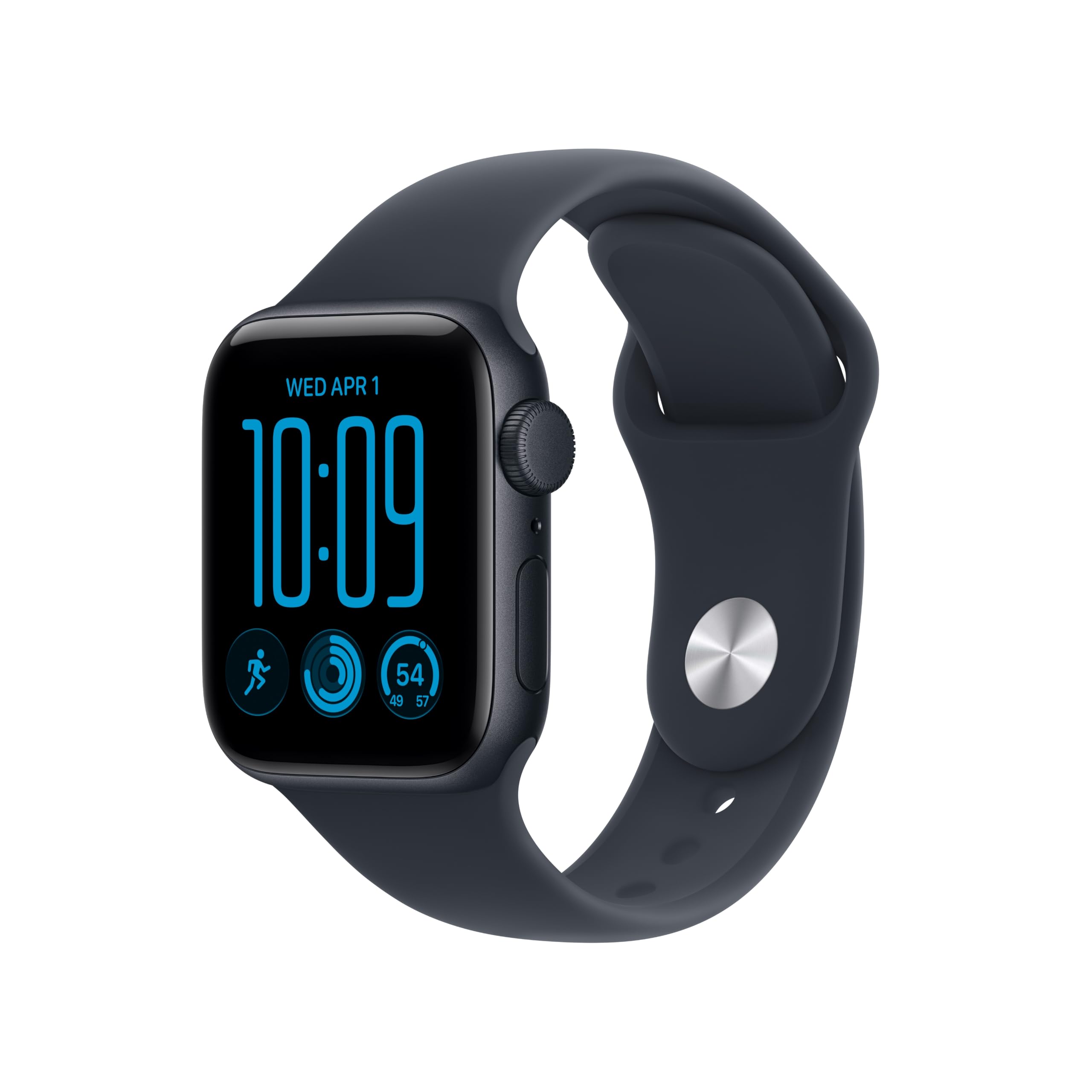 Apple Watch SE 3 GPS Starting at $199 on AmazonFrom $199AmazonView deal — worn daily, knocked against doorframes; the accident case is real, so compare the deductible, not the plan price.
 $80 Off Apple AirPods Pro 3 - Now $169 at Staples (Easy Rewards Members)Save $80 off retailStaplesView deal — the common failure here is battery decline, which protection plans typically treat as wear, not a defect. Read that clause specifically.
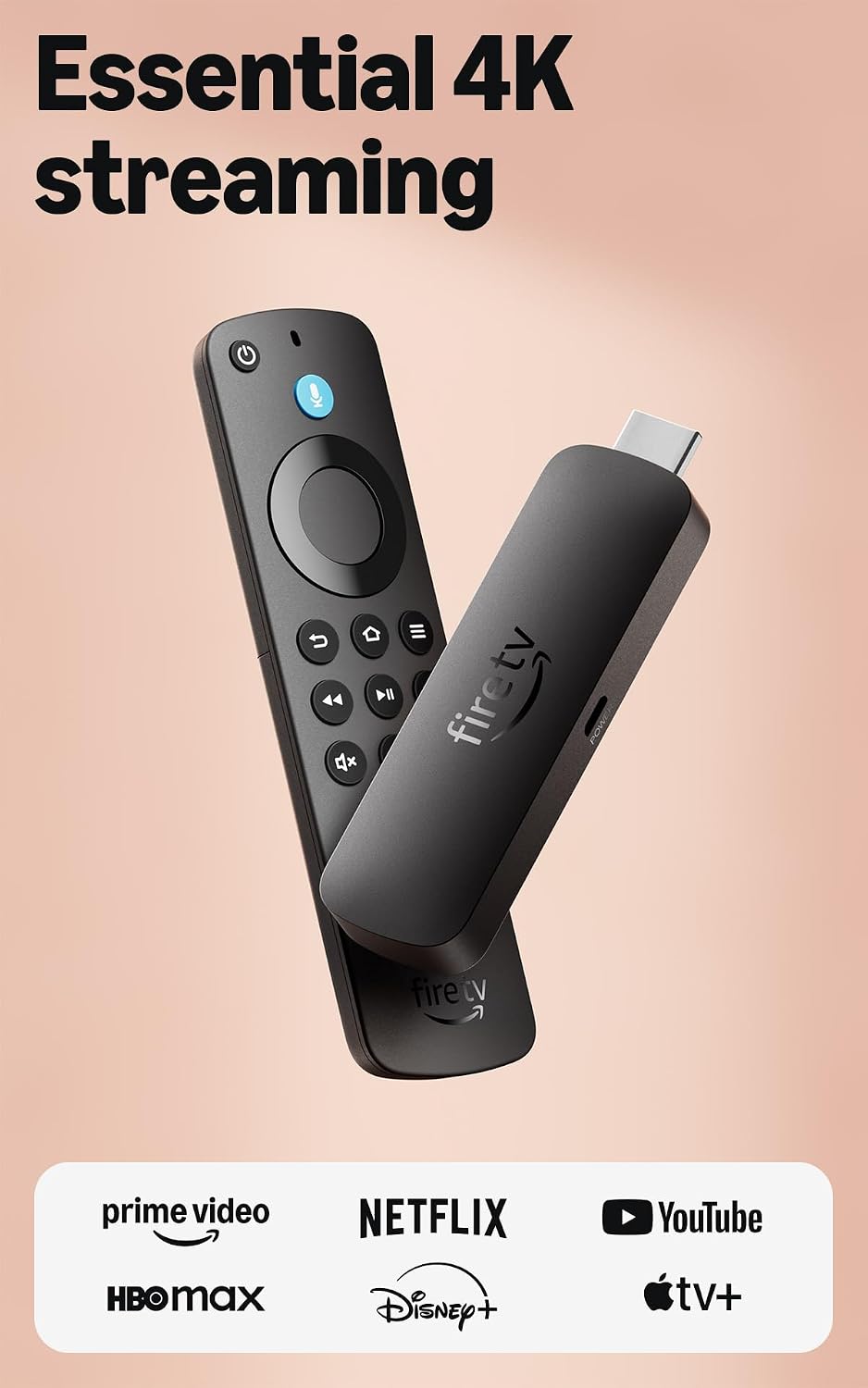 Amazon Fire TV Stick 4K Select for $17.99 — 2026 ModelOnly $17.99AmazonView deal — at this price a plan can cost a quarter of the device. Replacement is the warranty.
 39% Off Bose QuietComfort Wireless Headphones - Now $151Save $98 (39% Off)AmazonView deal — check your card first; a free extra year may already cover the window the plan is selling.
The short version
- Find out what your manufacturer warranty and your credit card already give you. A two-year store plan is often entirely redundant.
- Divide the plan price by the item price. Above roughly 15%, the odds are bad unless you have a specific reason to think you're riskier than average.
- Add the deductible before you compare. The real number is plan + deductible.
- Say yes when a single repair would genuinely disrupt you, or when you carry the thing every day and the service fee is small. Say no when you're buying a slightly worse version of a savings account.
The pitch works because it arrives when you've already decided to spend money and your guard is down. The defence is simply knowing, before you reach the register, what your free coverage already runs to — and that a plan priced at a fifth of the item is a bet the seller has carefully arranged to win.
Related deals

PAW Patrol Lookout Tower 20-Inch Playset with 2 Chase Figures $25 at Amazon ($22.50 with Coupon)
Amazon has the PAW Patrol Lookout Tower 20-Inch Playset with two Chase figures and Chase's police cruiser for $25, and some accounts see an extra coupon that brings it to about $22.50. Shipping is free with Prime or on orders of $35+. In the box: 20-inch Lookout Tower with elevator and slide 2 Chase figures (Off-Duty and Hero Pup) Chase's police cruiser and a vehicle launcher 3 double-sided mission cards The elevator turns Off-Duty Chase into Hero Pup Chase, who then slides down into the cruiser for the launcher. Recommended for ages 3 and up.

$99 Off UPPAbaby Minu V3 Travel Stroller (Greyson) - $399.99 at Amazon
Amazon has the UPPAbaby Minu V3 Travel Stroller in Greyson for $399.99, down from $499 ($99 off, about 20%). The sale price is only on the Greyson color. Seat fits children from birth up to 50 lb and 40 in tall Folds slim enough for airline overhead bins (IATA-compatible size) Works as a travel system with Mesa and Aria car seats, plus select Maxi-Cosi, Nuna and Cybex seats (adapters needed) Front and independent rear suspension Zip-out UPF 50+ canopy with a peekaboo window

Lili: $300 Business Checking Bonus with $5,000 Deposit (Thru 4/1/27)
Fintech Lili is paying a $300 bonus for opening a new business checking account and meeting two requirements by the deadline. The offer is open nationwide through April 1, 2027. How to earn it: Open a new Lili business checking account through the offer page Deposit $5,000 within 30 days of opening and keep at least $5,000 in the account for 60 days after reaching it Make at least 5 in-person purchases with the Lili Visa debit card (online purchases and money transfers do not count) No direct deposit is required, there is no monthly fee, and opening uses a soft credit pull with no ChexSystems check. Bonuses count as taxable interest income.

Up to 50% Off Kiehl's Black Friday Sale at Amazon - Ultra Facial Cleanser $13
Kiehl's Black Friday deals at Amazon take up to 50% off skin care, body care and hair care. The Ultra Facial Cleanser is $13 (usually $26), and Facial Fuel Men's Energizing Moisturizer starts at $26 (50% off). Most of the rest of the lineup is 30% off, including: Ultra Facial Cream Creamy Eye Treatment with Avocado Creme de Corps body lotions Shipping is free for Prime members.

48% Off Oral-B iO Series 7 Electric Toothbrush - $120 at Amazon
Amazon has the Oral-B iO Series 7 rechargeable toothbrush kit for $120, down from $230 and matching its all-time low (the 90-day average is $223). Shipping is free. Five modes: Daily Clean, Sensitive, Whitening, Gum Care, Intense Clean Includes 2 brush heads and a charging travel case

$100 Off Apple AirPods Pro 3 - Now $149 at Amazon
Amazon has the Apple AirPods Pro 3 for $149, which is $100 below Apple's $249 list price and $21 under the $169.99 price from earlier this week. Shipping is free. Active noise cancellation with Transparency mode Up to 8 hours of listening per charge with ANC on USB-C charging case
About the author
MiaLive well, save happily
Mia has lived in North America for years and can't see a full price without wanting to wait for a sale. She likes grocery runs, digging into credit card perks, stocking up on household basics and making home cozy. Her idea of a good day: something great at half price, or a hidden deal nobody else has spotted yet. Saving money isn't going without; it's spending on what's actually worth it.