

FSA Use It or Lose It: How to Spend Your Balance Before December 31 Without Wasting a Dollar
Prices and dates as of November 23, 2026. Check the store before you buy.
In short
About 40% of FSA holders forfeit money every year, $404 on average. How to find your real deadline (Dec 31, a March 15 grace period or a $680 carryover), how much is actually at risk, what's surprisingly eligible, and how to earn card rewards on money that's already yours.
A health FSA is the one account where saving money means spending it. Whatever is left when your plan year ends is forfeited, and your employer isn't allowed to refund it to you. When the Employee Benefit Research Institute looked at 2024 accounts, about 40% of holders had forfeited money, $404 on average; among workers under 25 it was 66% (EBRI, via 401(k) Specialist).
If your plan runs on the calendar year, you have until December 31, which as of November 23 is 38 days away. Before you start buying bandages in bulk, check two things, because the amount you actually stand to lose is often smaller than your balance and the deadline may not be December 31 at all. Then spend in the right order: care first, things you'd buy anyway second.
Step 1: find your real deadline
The IRS lets a plan soften "use it or lose it" in one of two ways, but not both (IRS Publication 969):
- A grace period of up to 2½ months. On a calendar-year plan that means care you receive through March 15, 2027 can still be paid from your 2026 money.
- A carryover. For plan years starting in 2026, up to $680 of unused money rolls into 2027 (Rev. Proc. 2025-32). Your employer can set a lower cap, and anything above the cap is forfeited.
Or neither, in which case December 31 is final.
Your plan administrator's site or app (the company on your FSA card) shows which one you have, usually under "plan details" or "plan summary". Look for three things: the plan year end date (not every plan follows the calendar; July-to-June plans exist), grace period or carryover, and the claims deadline. That last one is the run-out period, often about 90 days. It's extra time to submit receipts for care you got before the deadline, not extra time to spend. Only a grace period gives you that.
A dependent-care FSA (for daycare and after-school care) follows different rules: no carryover is allowed, though some plans give it a grace period. If you have one, book the December care bills against it now.
Step 2: work out how much is actually at risk
With a carryover plan, only the amount above the cap is at risk. The rest stays usable all of 2027, and it doesn't count against what you can contribute next year (Publication 969 again).
| Your plan | Balance in December | Lost if you do nothing |
|---|---|---|
| Carryover, IRS maximum ($680) | $1,150 | $470 |
| Carryover, employer cap of $500 | $1,150 | $650 |
| Grace period | $1,150 | $1,150, but you have until March 15 |
| Neither | $1,150 | $1,150 on December 31 |
That changes the strategy. A carryover plan with $900 left has $220 to place, which is one eye exam or a few months of things you'd buy anyway. Draining all $900 on stock-up items is a mistake: you'd be spending money you get to keep.
Before you count, clear anything pending. A card swipe the administrator couldn't verify automatically will be waiting for a receipt, and some plans suspend the card until you send it.
Step 3: spend on care first
The IRS counts an expense when you receive the care, not when you're billed or pay, and a plan can't reimburse future expenses (Publication 969). A cleaning on December 30 counts for 2026. Prepaying in December for a January visit doesn't.
Care is where most of the value is, and December appointments fill up, so book this week:
- Eyes. An exam plus prescription glasses, prescription sunglasses or a year of contacts. Contact lenses and the solution for them are both on the IRS list (Publication 502).
- Teeth. Cleanings, fillings, crowns and other treatment count. Whitening doesn't.
- Copays, coinsurance and the rest of your deductible for doctor visits, therapy, physical therapy, chiropractic care and acupuncture.
- Prescriptions. Refill now, and ask for a 90-day supply if your insurance allows it.
- Hearing aids, including their batteries and repairs.
If you're facing a large bill, our medical bills guide covers how to get it reduced before you pay it from the FSA.
Step 4: then stock up on things you'd buy anyway
Since 2020, over-the-counter medicine no longer needs a prescription to be FSA-eligible, and menstrual products count too (IRS). That opened up most of the pharmacy aisle. The test for everything else is whether the item treats or prevents a medical problem, or whether it's something everyone uses to stay generally healthy.
| Usually eligible | Not eligible (unless a doctor recommends it for a diagnosed condition) |
|---|---|
| Pain relievers, allergy, cold and flu, antacids | Vitamins and supplements |
| Bandages, first-aid kits, thermometers, blood pressure monitors | Toothbrushes (electric ones too), shampoo and other toiletries |
| Tampons, pads, liners, menstrual cups | Teeth whitening and cosmetics |
| Pregnancy tests, breast pumps and supplies | Gym memberships |
| Broad-spectrum sunscreen, SPF 15+ (most plans accept it) | Anything "for general health" |
| Reading glasses, contact lens solution |
Supplements and personal-use items come straight from Publication 502. Sunscreen isn't named by the IRS, but it's on the eligibility lists most administrators publish; check yours. And the Black Friday electric-toothbrush deals everywhere this week won't qualify, even at 50% off.
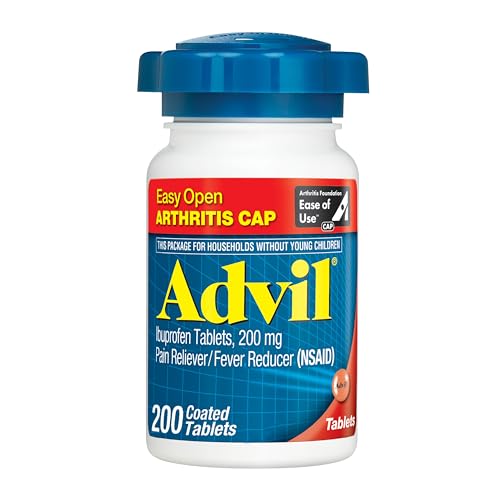
Buy what your household actually goes through in a year. A few of this week's prices on eligible basics (cards update live):
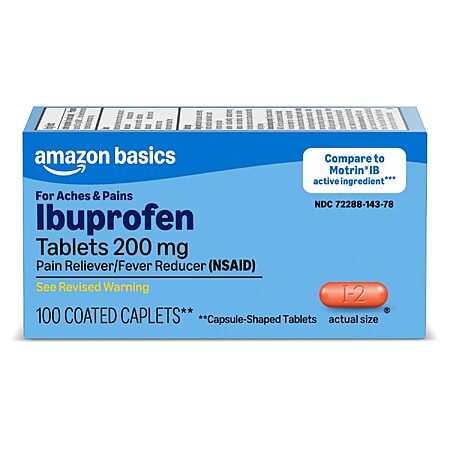 Amazon Basics Ibuprofen 200mg 100-Count $2 with Coupon + Subscribe & SaveJust $2AmazonView deal
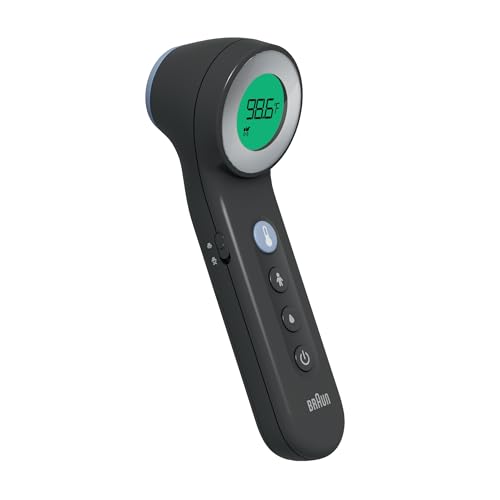 Braun Sensian 7 3-in-1 No-Touch Forehead Thermometer for $9.99 at AmazonNow $9.99AmazonView deal
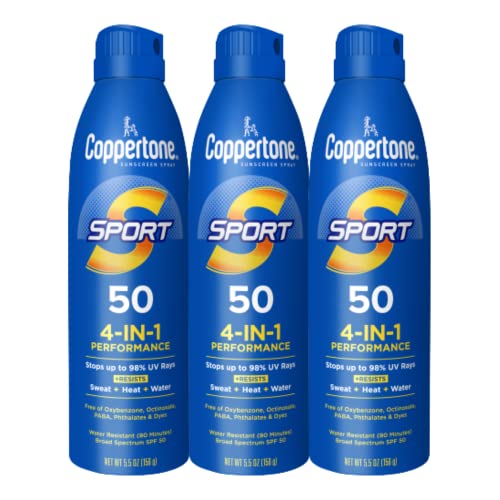
Big retailers such as Amazon, Walmart, CVS and Walgreens mark FSA-eligible items, and at many pharmacy checkouts the FSA card approves eligible items on the spot. FSA-only shops sell nothing ineligible, which is convenient, but compare their prices with the big stores first. Choosing a sunscreen worth using up is covered in our sunscreen guide.
Step 5: pay with your own card, then claim it back
You don't have to use the FSA card. Most plans let you pay any way you like and submit the receipt for reimbursement, usually by photographing it in the app. That opens the usual stack on money that's already yours:
- Go through a cashback portal if the store is on one.
- Use coupons and Subscribe & Save as usual. The FSA reimburses what you actually paid.
- Pay with a rewards credit card, which also brings its purchase protections.
- Upload the receipt and get the money back to your bank account.
Two conditions. The receipt has to be itemized, showing what you bought, the date and the amount; IRS rules require a third-party statement of the expense, and a card slip with just a total won't do. And check that your plan pays claims to you rather than only to providers. Most health FSAs do.
Step 6: file every claim before the deadline
Spending the money isn't the last step. Miss the claims deadline and you lose it anyway. If your plan's claims window ends March 31 and the receipt for your December 28 eye exam is still in a drawer, that money is gone. Upload receipts the week you get them.
Before you choose your 2027 amount
Many open enrollments are closing now. For plan years starting in 2027, the limit rises to $3,500 and the carryover cap to $700 (Rev. Proc. 2026-35). Three things to know when you pick a number:
- Elect for predictable costs only: glasses, contacts, regular prescriptions, known dental work, your usual pharmacy spend. Leave "maybe" expenses out.
- The whole year's amount is available on day one. The IRS requires the plan to let you use your full annual election at any time in the plan year, whatever you've contributed so far (Publication 969). Schedule big expenses early if that helps your cash flow.
- If you have a high-deductible plan with an HSA, use the HSA. HSA money never expires. A limited-purpose FSA, covering dental and vision only, can sit alongside it.
Dependent-care FSAs changed too: from 2026 the federal limit is $7,500 per household ($3,750 if married filing separately), up from $5,000, but only if your employer adopted the higher figure (SHRM).
The short version: look up your plan type and claims deadline today, and subtract the carryover cap to see what's really at risk. Book eye and dental appointments before December 31, then spend the rest on medicine and first aid you'd buy anyway. Pay with a rewards card and claim it back, and upload receipts as you go. More money left on the table this week is in our Black Friday 2026 hub.
Related deals

82% Off Rubbermaid EasyStore 26-Piece Food Storage Set - $8 at Walmart
The Rubbermaid EasyStore 26-piece food storage set is $8 at Walmart.com during its Black Friday sale, down from $44.43. The price runs through November 29, and stores carry it starting 6 a.m. local time on Friday, November 27. 13 containers with matching lids in assorted sizes Works for leftovers, meal prep and pantry storage Shipping is free with Walmart+ or on orders of $35 or more.

48% Off Oral-B iO Series 7 Electric Toothbrush - $120 at Amazon
Amazon has the Oral-B iO Series 7 rechargeable toothbrush kit for $120, down from $230 and matching its all-time low (the 90-day average is $223). Shipping is free. Five modes: Daily Clean, Sensitive, Whitening, Gum Care, Intense Clean Includes 2 brush heads and a charging travel case

LEGO Creator 3-in-1 Turtle with Water Lily (31377) $5.59 at Amazon
Amazon has the LEGO Creator 3-in-1 Turtle with a Water Lily Flower (31377) for $5.59. Shipping is free with Prime or on orders of $35+. 124 pieces, ages 7+ Three builds from one box (turtle with water lily plus two alternate models) Small enough for desk display or a stocking stuffer

52% Off LEGO Star Wars Andor K-2SO Security Droid (75434) - $43 at Amazon
Amazon has the LEGO Star Wars Andor K-2SO Security Droid (75434) for $43, down from its $89.99 list price. Shipping is free for Prime members. LEGO.com still sells it for about $90. 845 pieces, ages 10+ Finished droid stands over 16 inches tall Comes with a display stand, information plaque and a K-2SO minifigure Posable head and arms

55% Off Colgate 360 Optic White Toothbrush 4-Pack - $4.49 with Coupon + S&S at Amazon
The 4-count Colgate 360 Optic White Whitening Toothbrush (Soft) drops to $4.49 at Amazon, down from $9.99, which works out to about $1.12 per brush. How to get the price: Clip the $2 off coupon on the product page An extra 30% off is applied at checkout (on eligible first Subscribe & Save orders) Choose Subscribe & Save for another 5% off; with 15% off (5+ subscriptions) it can drop to about $3.49 Shipping is free with Prime or on orders of $35+ You can cancel the subscription after the order ships.

Febreze Air Mist Holiday Sprays About $1.49 at Target with $2 Circle Coupon
Select Febreze Air Mist 8.8-oz sprays drop to about $1.49 each at Target after clipping the $2 off Target Circle coupon (regular price around $3.49). Scents included in the offer: Serene Snowfall Cranberry Crumble Crisp Fall Breeze Cuddle Weather Baked Cinnamon Apples How to get it: Open the Febreze Air Mist product page and clip the $2 Target Circle coupon (free Target Circle account required). Add the scents you want; the discount applies at checkout. Pick up in store, or get free shipping on $35+ orders or with a Target Circle Card or Circle 360. The coupon covers select scents only, and the final price can vary slightly by scent.
About the author
MiaLive well, save happily
Mia has lived in North America for years and can't see a full price without wanting to wait for a sale. She likes grocery runs, digging into credit card perks, stocking up on household basics and making home cozy. Her idea of a good day: something great at half price, or a hidden deal nobody else has spotted yet. Saving money isn't going without; it's spending on what's actually worth it.
More articles
- Buy Now, Pay Later and 'No Interest' Store Cards: How to Split a Holiday Purchase Without Paying for It Later
- Apple Black Friday 2026: Is Apple's Gift Card Better Than Amazon, Best Buy and Target Prices?
- Amazon Black Friday 2026: The 12-Day Schedule, Double Deal Drops, and How to Tell a Real Price Cut