
How to Actually Cut Your Grocery Bill
Rent doesn't move. Your car payment doesn't move. Groceries move — which makes them the single most flexible line in most household budgets, and the one where a few habits compound into real money every week. None of what follows requires extreme couponing or a spreadsheet. It requires knowing which number to read, which swaps actually pay, and when the store marks things down.
The only number on the shelf tag that matters
Not the big price. The unit price — the small print showing cost per ounce, per pound, or per 100 count. It's on the shelf tag precisely so you can compare across sizes and brands, and it is the single fastest way to stop being fooled by packaging.
Two things it protects you from:
- The bigger box isn't automatically cheaper. Retailers know you assume it is, and family sizes are frequently priced above the small size per ounce.
- Shrinkflation. When a package quietly goes from 16 oz to 14 oz at the same price, the shelf price looks unchanged and the unit price doesn't. The unit price is where the increase shows up.
Build the habit of reading that line and you'll catch most of the traps without doing anything else.
Store brands: the biggest single lever
This is where the real money is, and the gap is far wider than most people assume. Comparing private label against the national brand at major chains, typical savings run:
- Ketchup — around 67% less
- Whole milk — around 61% less
- Frozen ice cream sandwiches — around 57% less
- Pasta — around 49% less
- Cereal — 60%+ less on basics like cornflakes
Store brands are now roughly a quarter of all US grocery purchases, up sharply from a few years ago — because the quality gap has narrowed on staples where there isn't much to differentiate: flour, sugar, canned beans, frozen vegetables, dairy, cleaning supplies, medicine-cabinet basics.
The honest caveat: still check the unit price. A national brand on a deep sale, stacked with a manufacturer coupon, sometimes beats the store brand. And on a handful of items — certain snacks, condiments, coffee — you may genuinely prefer the name brand. Swap where you don't notice, keep what you actually taste.
Plan in the right order
Most people write a meal plan and then go buy whatever it requires at full price. Reverse it:
- Shop your own kitchen first. Look at what's already in the fridge, freezer, and pantry and build around it.
- Then read the weekly ad, and let the discounted proteins and produce decide the week's meals.
- Then write the list — and buy from the list.
This one reordering does more than any coupon. It also kills the two most expensive habits in grocery shopping: buying ingredients you already own, and shopping without a list in a store deliberately laid out to make you wander.
Stop throwing money into the bin
The USDA estimates 30–40% of the US food supply is wasted — and household waste is skewed heavily toward the exact things people buy with good intentions: roughly 40% of household food waste is fruits and vegetables, about 20% bread and cereals, and about 15% dairy.
Read that as a budget line, not an environmental one. If you throw out a third of the produce you buy, then "fresh vegetables on sale" was never actually on sale. Practical fixes: buy produce for a few days rather than a fortnight, freeze bread and meat the day you get home, and cook from the oldest item first.
Time it right
Markdowns follow a schedule, and it's not a secret one:
- Early morning, roughly 6–9 a.m., is when staff mark down meat, dairy, and bakery items nearing their sell-by date. Manager's specials are picked over by afternoon.
- Monday mornings often carry meat marked down from weekend overstock.
- Wednesday is when most chains start a new weekly ad — and mark down the outgoing week's perishables to clear space.
Buy those markdowns for the freezer, not for tonight, and the savings are real rather than a reason to eat what you didn't plan for.
The stack that still works
Grocery stacking has been quietly narrowed. Major chains updated their registers to block combining multiple digital and manufacturer coupons on a single item, so the old extreme-couponing math no longer runs. What still works:
Store sale price → store digital coupon → rebate app. The rebate apps (Ibotta, Fetch, Checkout 51) operate entirely outside the store's register — you scan the receipt afterward — so they stack on top of whatever you got at checkout. Combined, 20–40% off a basket is realistic; 60–80% is not, whatever the old blog posts say.
Add a portal or card layer where you can: online grocery orders can route through a cashback portal, and a card with a grocery bonus category earns on every trip. (Mechanics: our coupon stacking guide and cashback portal guide.)
Multi-buy deals: only when the math works
"Buy any 4, save 40%" promotions are genuinely good on things you were going to buy anyway and that keep — pet food, paper goods, canned staples.
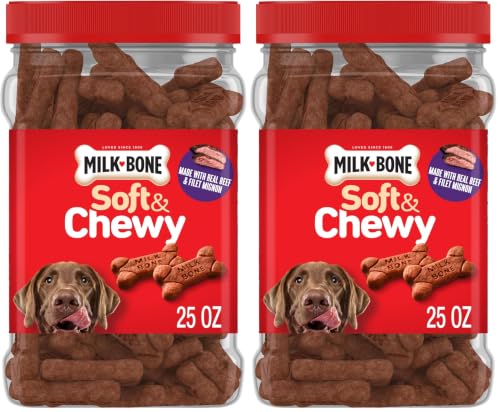 Save 40% on Select Dog Treats at Amazon (Buy Any 4)Save 40%AmazonView deal
They're a trap on anything perishable, or when the threshold pushes you to buy a quantity you'll never finish. The test is simple: would you have bought all four within their shelf life at full price? If not, the discount is on spending, not saving.
Where Amazon and bulk fit in
Amazon's periodic spend-and-get credits are one of the easier grocery and household wins, because the credit stacks on top of coupons and sale prices:
 Save $10 When You Spend $30 on Select Amazon Grocery ItemsSave $10AmazonView deal
Shelf-stable bulk buys work well here too — drinks, paper goods, cleaning supplies — where there's no spoilage risk and the unit price genuinely drops:
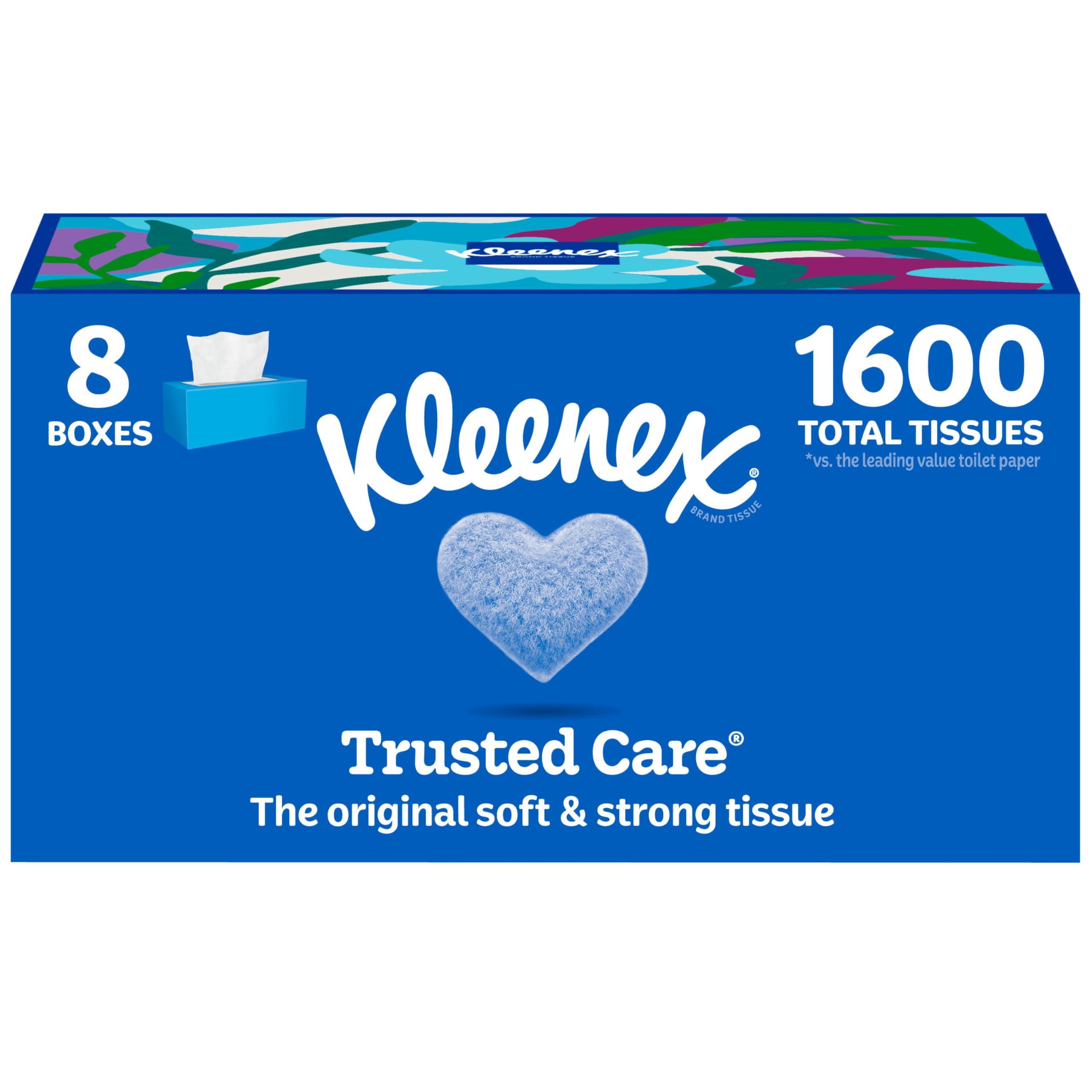
For the broader question of what's worth buying in bulk at all, we ran the numbers in the warehouse club break-even guide, and there are more levers in the Amazon features that actually save money.
The bottom line: read the unit price, switch the staples you don't taste to store brands, plan from the weekly ad instead of against it, shop the morning markdowns, and stack a rebate app on top. That's a quiet 20–30% off the one bill you pay every single week. More of today's deals are below.
Related deals

$10.39-$11.19 for 3 Cases of Sprite, Diet Coke or Coca-Cola Classic 16.9-Oz Bottles at Amazon
Amazon has a solid Subscribe & Save deal on popular sodas right now. You can pick up 3 cases of 6-pack, 16.9-oz bottles of Sprite Lemon-Lime, Caffeine-Free Diet Coke, or Coca-Cola Classic for just $10.39–$11.19 total — that works out to well under $4 per case. How to get this price: Open your chosen soda link below and set the quantity to 3 Select Subscribe & Save at checkout Stacking discounts of $4.11 plus the Subscribe & Save percentage will be applied automatically Available options: Sprite Lemon-Lime Soda 6-Pack — $10.39–$11.19 for 3 cases Diet Coke Caffeine-Free Soda 6-Pack — $10.39–$11.19 for 3 cases Coca-Cola Classic 6-Pack — $10.39–$11.19 for 3 cases Prices can change without notice. You can cancel your Subscribe & Save subscription after delivery if you don't wish to continue.

24 Boxes of Kleenex 200-Ct Facial Tissues for $37.61–$42.85 + $15 Amazon Credit
Pick up 24 boxes of Kleenex 200-count facial tissues on Amazon for as low as $37.61–$42.85 — and on top of that, you'll earn a $15 Amazon credit posted to your account 30 days after shipment. Here's how to stack the savings: Go to the deal on Amazon Clip the 25% off coupon directly on the product page Change the quantity to 3 cases (8 boxes each = 24 boxes total) to trigger the $15 Amazon credit promotion Check out using Subscribe & Save to take an additional 10%–20% off Your final out-of-pocket cost comes to $37.61–$42.85 for all 24 boxes, plus the $15 credit effectively reduces your net cost even further. Prices can change without notice. If the deal is no longer available at the listed price, it may have ended.

Save $10 When You Spend $30 on Select Amazon Grocery Items
Amazon is taking $10 off your order when you spend $30 or more on a selection of eligible grocery items. The spending threshold was recently lowered from $40 to $30, making it a bit easier to qualify. How to get the deal: Browse the eligible grocery items through the deal page Add at least $30 worth of qualifying products to your cart The $10 discount will be applied automatically at checkout Worth noting: The selection of participating items is relatively limited This promotion may stack with other Amazon discounts, including Shop with Points The deal has returned after a brief hiatus as of 7/29/26

Save 40% on Select Dog Treats at Amazon (Buy Any 4)
Amazon is taking 40% off a selection of dog treats when you add any four qualifying products to your cart — you can mix and match different items or grab four of the same. How it works: Browse the list of participating dog treat products on Amazon Add any 4 items from the eligible selection to your cart The 40% discount applies automatically at checkout You can choose 4 of the same product or 4 different ones The discount appears to be a genuine 40% reduction based on regular pricing, making this a solid opportunity to stock up on treats for your dog at a meaningful savings.

Get a $15 Amazon Credit When You Spend $50 on Household Essentials
Amazon is offering a $15 credit when you spend $50 or more on a selection of over 1,000 qualifying products. Categories covered include household essentials, beauty, grocery, home improvement, office supplies, and more. Participating brands include Angel Soft, Bounty, Arm & Hammer, Dude Wipes, Air Wick, Tero, and many others. How to claim the offer: Browse and add eligible items from the promotion page until your cart reaches $50. Head to your cart when you're ready to check out. The $15 credit will be applied automatically at checkout if your order qualifies. Complete your purchase. Tips to maximize savings: Use the U.S. Bank Shopper Cash Rewards Card for 6% cash back. The Amazon Prime Visa earns 5% cash back on eligible purchases. Chase Freedom cardholders can earn 5% cash back this quarter. Free shipping on orders $35+ (or free next-day shipping with Amazon Prime). Offer Terms: Only applies to products sold directly by Amazon (not third-party sellers). Does not apply to digital content. All items must be purchased in a single order, shipped to one address at the same speed. Available while supplies last.

VTech Kids Toys from $13.79 at Amazon — KidiBeats Drum Set & More
Two popular VTech kids' toys are currently priced at $13.79 each on Amazon, making them solid picks for gifts or everyday play without spending much. Deals available: VTech KidiBeats Kids Drum Set — $13.79 VTech Busy Learners Activity Cube — $13.79 VTech Bluey Hooray Drum Set — $16.79 (also available) These VTech toys are designed to encourage early learning through music and interactive play. At under $14, they're well-priced for the category. Prices on Amazon can shift without warning, so grab them while the price holds.